Introduction
Fashion has always existed as a conversation between what endures and what evolves. As we enter 2025, this dialogue has grown louder and more nuanced, reflecting not only how people dress but how they live, connect, and express identity. The phrase “timeless yet transformative” captures the delicate balance designers, tastemakers, and consumers alike are striving for—garments that respect heritage while adapting to the pulse of the future. Style is no longer about fleeting trends or one-dimensional aesthetics; it has become a layered system where memory and innovation coexist.
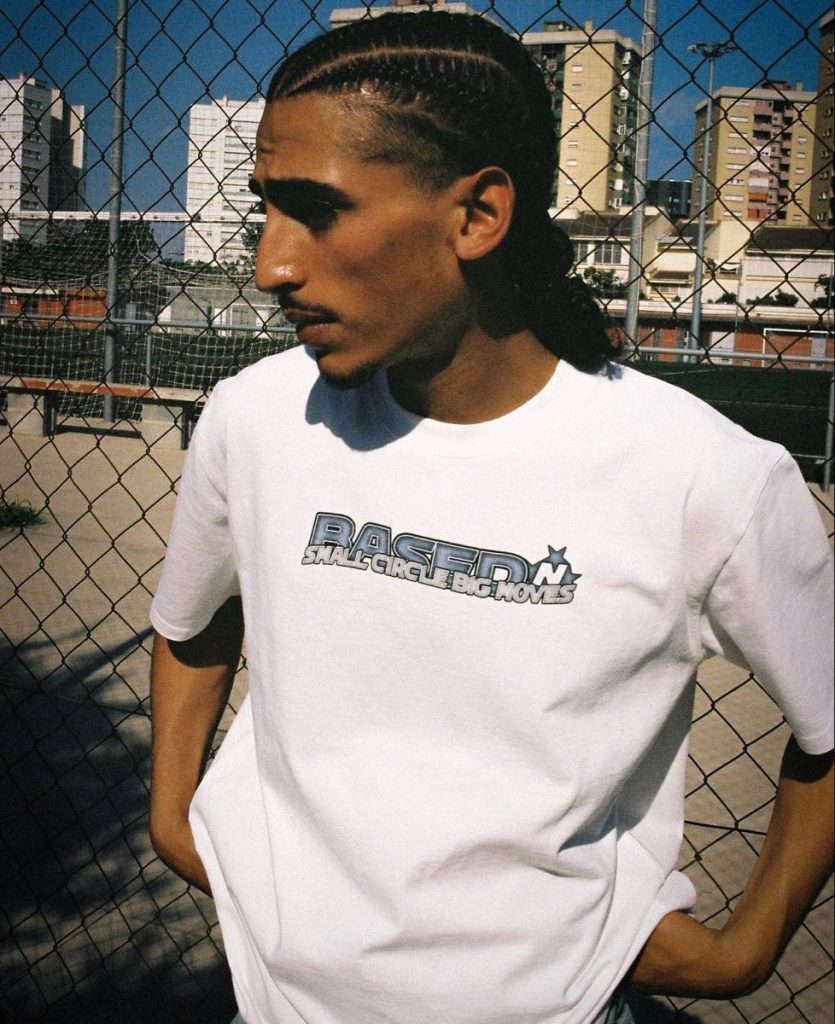
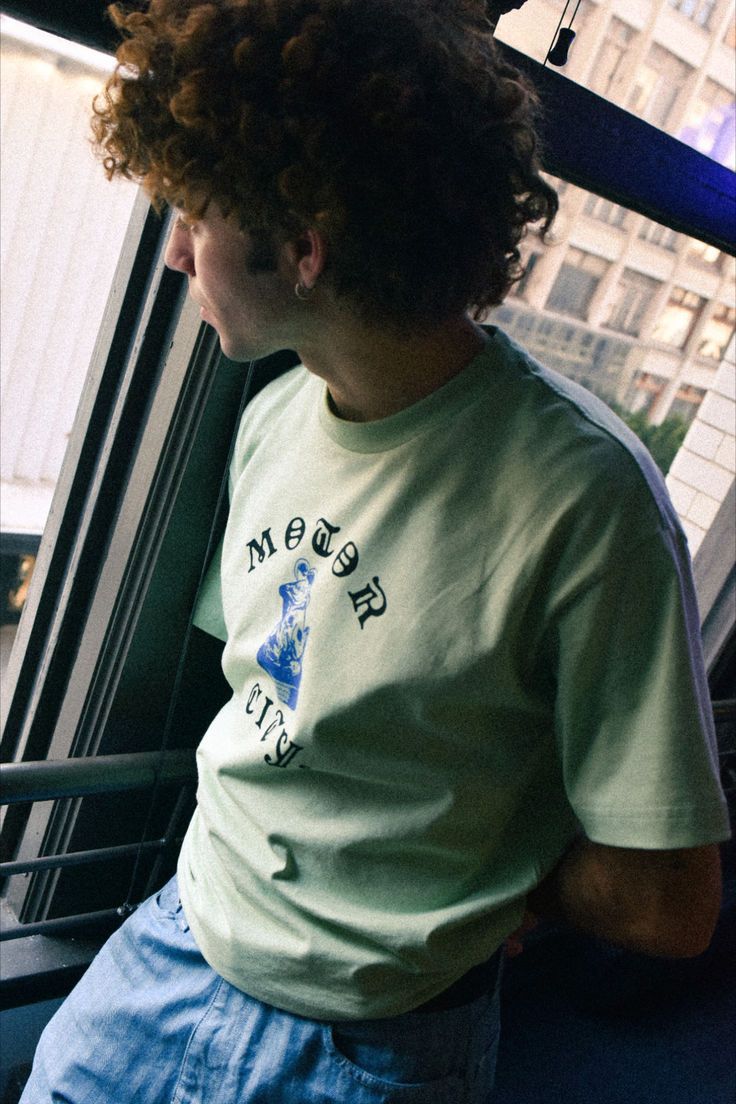
The codes of 2025 do not dictate rigid rules but rather provide a framework through which individuality thrives. A shirt can be minimal yet experimental, a dress may hold classic tailoring while incorporating unexpected textures, and accessories act as punctuation marks that bridge eras. Fashion today is a living archive—rooted in tradition, enriched by technology, and continuously shaped by cultural currents across the globe.
As sustainability, digital landscapes, and diverse voices reshape the industry, the notion of style expands. Clothes become markers of purpose, connection, and meaning. 2025 stands as a pivotal year where timeless elegance meets transformative energy, creating a new fashion lexicon for those ready to embrace change without abandoning essence.
The Philosophy of Timelessness in Modern Fashion
Timelessness in clothing has always been linked to qualities like clean tailoring, durable fabrics, and silhouettes that transcend seasonal whims. In 2025, this philosophy extends beyond visual appeal into deeper values of longevity and integrity. Pieces that stand the test of time are no longer admired solely for their aesthetics; they are treasured because they resist obsolescence in a world overloaded with excess.
Brands are increasingly embracing seasonless collections, releasing garments not tied to the conventional fashion calendar. This shift reflects a desire to slow down consumption and honor design that can be revisited year after year. A well-fitted blazer, for example, does not need reinvention every season—it gains character with wear, offering continuity in a world obsessed with constant change.
The consumer perspective has matured as well. Shoppers are now gravitating toward items that outlast impulsive purchases, considering wardrobe-building as an investment rather than a cycle of disposal. Timelessness, then, becomes a philosophy of mindful living—less about restraint and more about curation.
Transformation as the Driving Force of Style in 2025
If timelessness anchors fashion, transformation propels it forward. The transformative codes of 2025 capture the restless spirit of reinvention. Designers are taking traditional archetypes—suits, coats, shirts—and reimagining them with fresh proportions, sustainable materials, or technological integration. What appears familiar gains a new vitality, challenging wearers to reconsider established notions of dress.
Transformation also exists in how garments interact with shifting lifestyles. As hybrid work, digital identities, and social activism continue to shape daily existence, clothing adapts to serve multiple roles. A single piece might function in both professional and leisure settings, or a jacket could be designed to interact with wearable technology. Fashion is no longer static; it responds actively to context, mood, and necessity.
The energy of transformation also lies in inclusivity. Expanding representation has redefined the runway and the retail experience, ensuring style speaks to a broader range of bodies, backgrounds, and perspectives. Transformation, in this sense, is not just visual—it is cultural, systemic, and deeply personal.
The Rise of Hybrid Silhouettes
One of the clearest manifestations of 2025’s style codes is the emergence of hybrid silhouettes. These are garments that blur the boundaries between categories, creating pieces that defy singular classification. Jackets resemble shirts, dresses merge with trousers, and accessories are designed to function as clothing.
This movement reflects a world that resists binaries—work and leisure, masculine and feminine, physical and digital. The hybrid silhouette offers flexibility for a generation constantly moving between spaces and identities. Such designs also encourage creativity in styling, allowing individuals to layer, transform, and personalize outfits in limitless ways.
Hybridization is not just about aesthetics but also practicality. Many garments incorporate modular elements—detachable sleeves, adjustable hems, or reversible fabrics—that let one piece shift across contexts. A coat worn traditionally during the day can transform into a cropped jacket for the evening, embodying the duality of timelessness and transformation.
Materials Shaping the Future
In 2025, the conversation around fabric extends beyond texture and color into innovation, ethics, and experience. Materials are chosen not only for their appearance but for what they signify.
Recycled textiles, plant-based leathers, and lab-grown fibers dominate collections, making sustainability feel luxurious rather than restrictive. Advances in textile technology have enabled fabrics that are breathable, biodegradable, and durable—qualities once thought mutually exclusive. The transformative aspect comes in how these innovations mimic traditional materials while offering enhanced performance.
At the same time, artisanship holds equal importance. Handwoven fabrics, natural dyes, and craft-based embellishments remind wearers of fashion’s human dimension. The juxtaposition of cutting-edge science and timeless craftsmanship creates a tactile dialogue between past and future, demonstrating that materials themselves carry narratives.